When I was a 21 I bought a plane ticket to Lisbon and set off to travel around Europe. I spent a few days in that beautiful city. It is built of old stone, brick streets, crumbling colonial era buildings and concrete high rises. Old and cold. So I took a train to the sunny beaches of the Algarve. I landed in Lagos and except for a six week jaunt to Spain and Morocco I pretty much stayed there till my plane ticket expired a year later. I fell in love with the place and didn’t want to leave. Lagos is a historic cobblestoned and walled town on the Atlantic, edged by yellow sand beaches and surrounded by rolling hills, farmland, vineyards and dramatic ochre cliffs dropping into the blue green ocean. I landed a job at a pub style restaurant catering to the many mostly British ex-pats and shared a house with an American woman who was working on her thesis in architecture. I was in my comfort zone, but still on an adventure.
Portugal had not yet joined the EU and almost all of the food in the markets and restaurants was locally grown or manufactured. The taste, smell, texture of the fresh bread, butter, eggs, dairy, and seasonal fruit and veg was a revelation . The abundance of fish and shellfish was astounding. The southern Portuguese style of cooking is clean and to the point. A few well chosen and fresh ingredients, cooked and seasoned to perfection and presented with little adornment. Olive oil, garlic, and bay leaves are widely used, as well as olives, lemons and chorizo sausage. Meat dishes were available, mainly locally raised pork, chicken or rabbit but seafood ruled the menus. The pastries were ridiculously delicious, I gained 10 pounds while living there.
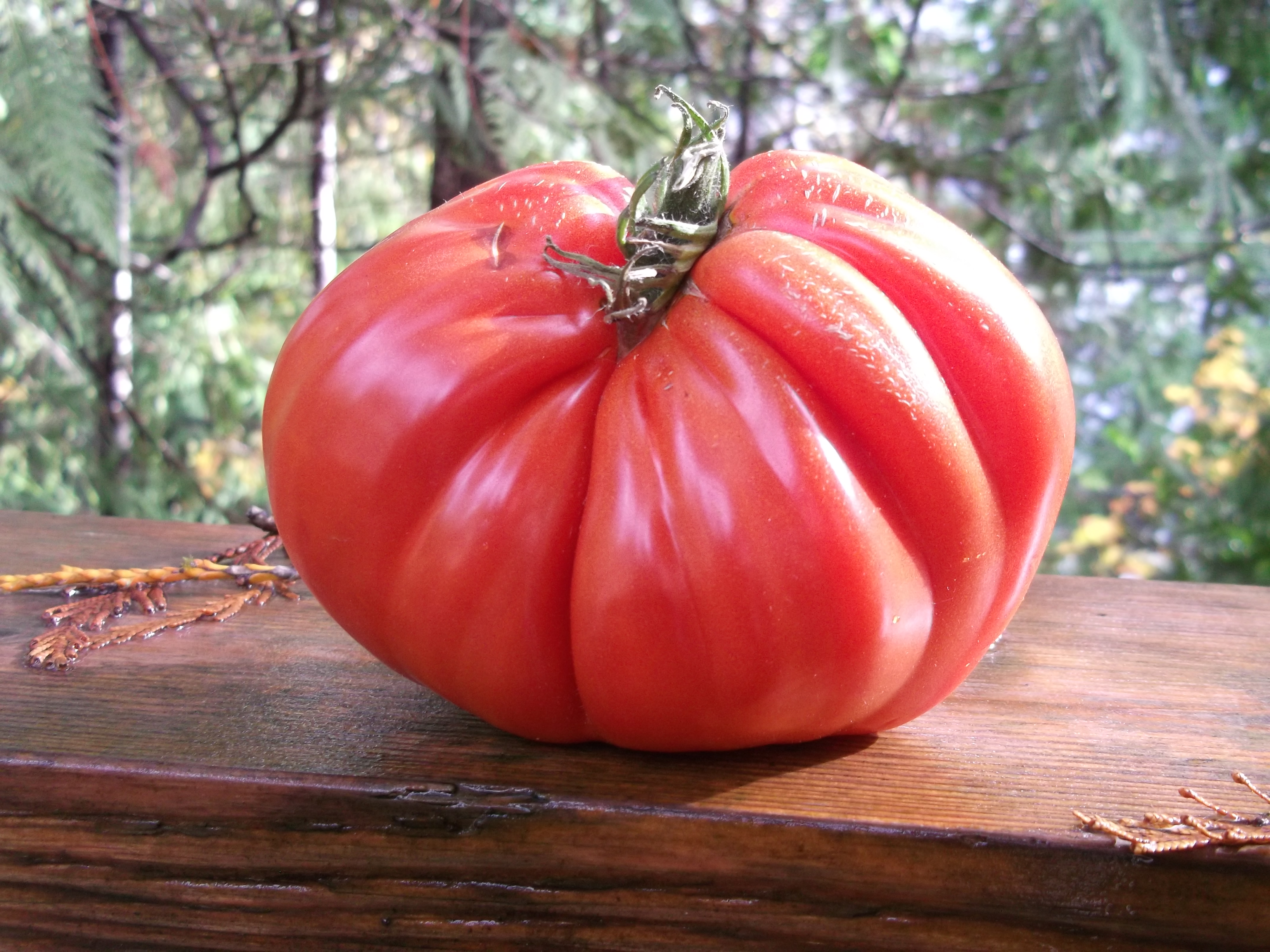
Sardines were a staple, cheap and plentiful in those days. A plate of whole grilled sardines served with bread and boiled potatoes with olive oil was a beautiful thing. You place a salty oily sardine on the bread and tear the meat from the bone with your fingers and into your mouth, working around the head and guts, which were then stacked on your plate and counted later to see who at the table ate the most. Then you eat the bread, soaked with the oil, salt and juice from the fish and a hint of the charcoal grill. And some sliced tomatoes on the side. And a glass of cold vinho verde. In an open air cafe by the sea.
After my year long airplane ticket ran out I left on a wave of grief, vowing to return. And I did. One year later I found myself broke in Kathmandu. The idea of returning to the concrete jungle of Toronto after six months of backpacking through the Indian subcontinent filled me with dismay. I begged and borrowed enough money for a plane ticket to Portugal where I knew I had a job and friends waiting. I spent another fun and sun filled summer in Lagos and then returned to Toronto to plan my next adventure.
I developed this recipe while I was running the cafeteria at our local college some 30 years later. We had two soups on offer every day and they started to become repetitive. Then I remembered practically living on this in my one cold and rainy winter in Lagos. There wasn’t a lot of work after the tourists went home so I was poor and it was a cheap , delicious and cozy meal.
Sausage, usually chorizo, is often added, feel free to do this but I love it just like this. Use a rich, preferably homemade chicken stock and season properly and the sausage becomes unnecessary. I think.
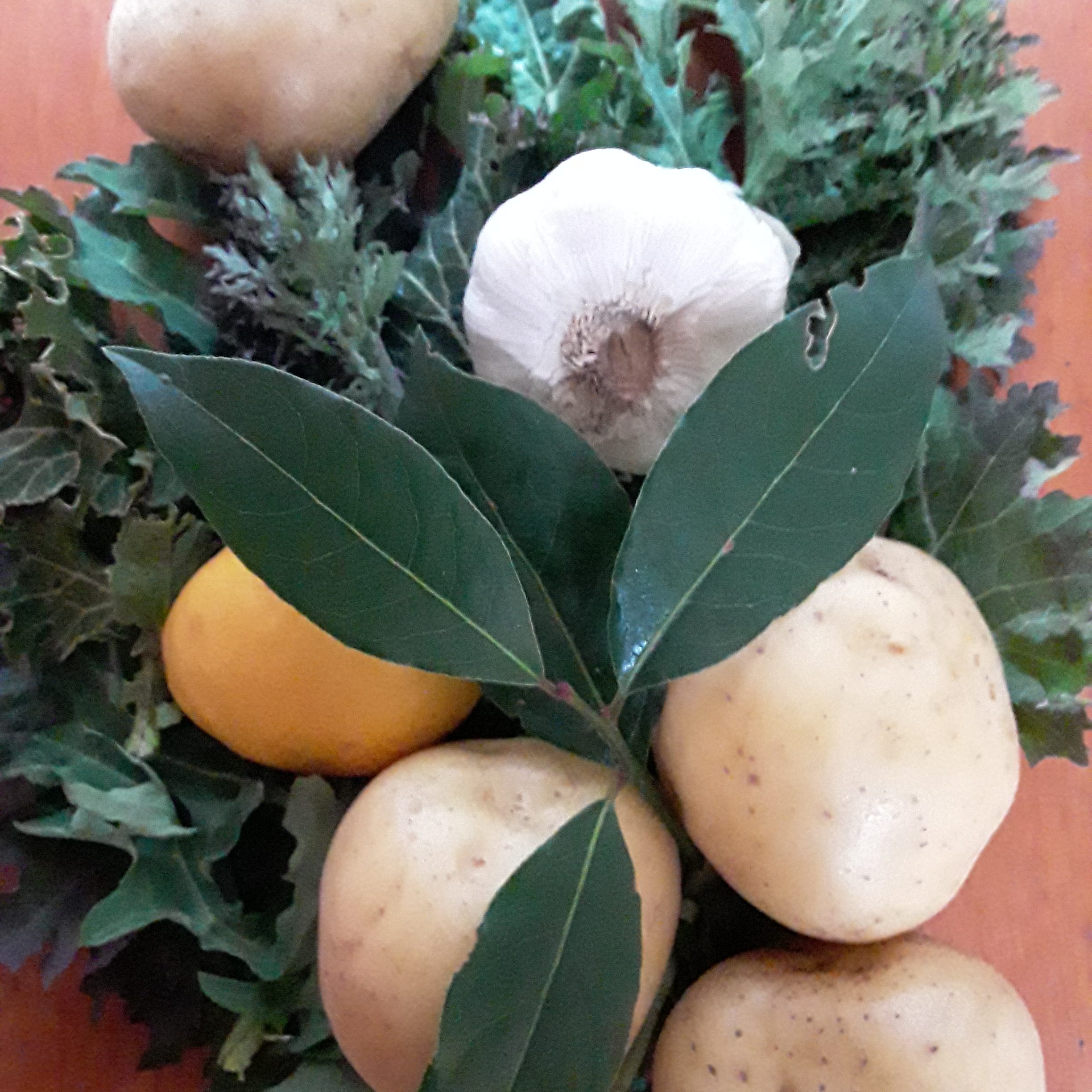
Serve with fresh Portuguese buns with butter and maybe some cheese. This makes around four generous bowls.
Caldo Verde
6 tablespoons olive oil
2 big cloves of garlic minced
4 cups chicken stock, preferably homemade
4 bay leaves
1 lb yukon gold potatoes, unpeeled, cut in 1” chunks
1 bunch of kale, around 12 big leaves, ribs removed and julienned
Saute the garlic in the oil. Garlic burns quickly, keep the heat medium low and stir. Add the chicken stock and bay leaves and bring to a boil. Turn it down and let it simmer a bit to marry the flavours. Season with salt and pepper. Add the potatoes and bring back to simmer, cook until soft and falling apart a bit. At this point you can run an immersion blender through it to make a creamy soup or leave it chunky. I like it kind of in between. Add the kale and simmer for just a few minutes. Try not to over cook at this point or you will lose the pretty green (verde) colour. Remove the bay leaves. Serve with an added swirl of olive oil and a squeeze of lemon juice.
Discover more from food by jude
Subscribe to get the latest posts sent to your email.
 food by jude
This is great Jude!
Love it and You!
LikeLike
Beautiful blog post, Jude. xo
LikeLike
Thank you Madeline, I couldn’t have done it without you. xo
LikeLike
Loved this, love Portugal and the food, [ and people], there. I will make this though will likely use some chorizo in it.
LikeLike
Thank you John. I would go back there in a heartbeat.
LikeLike