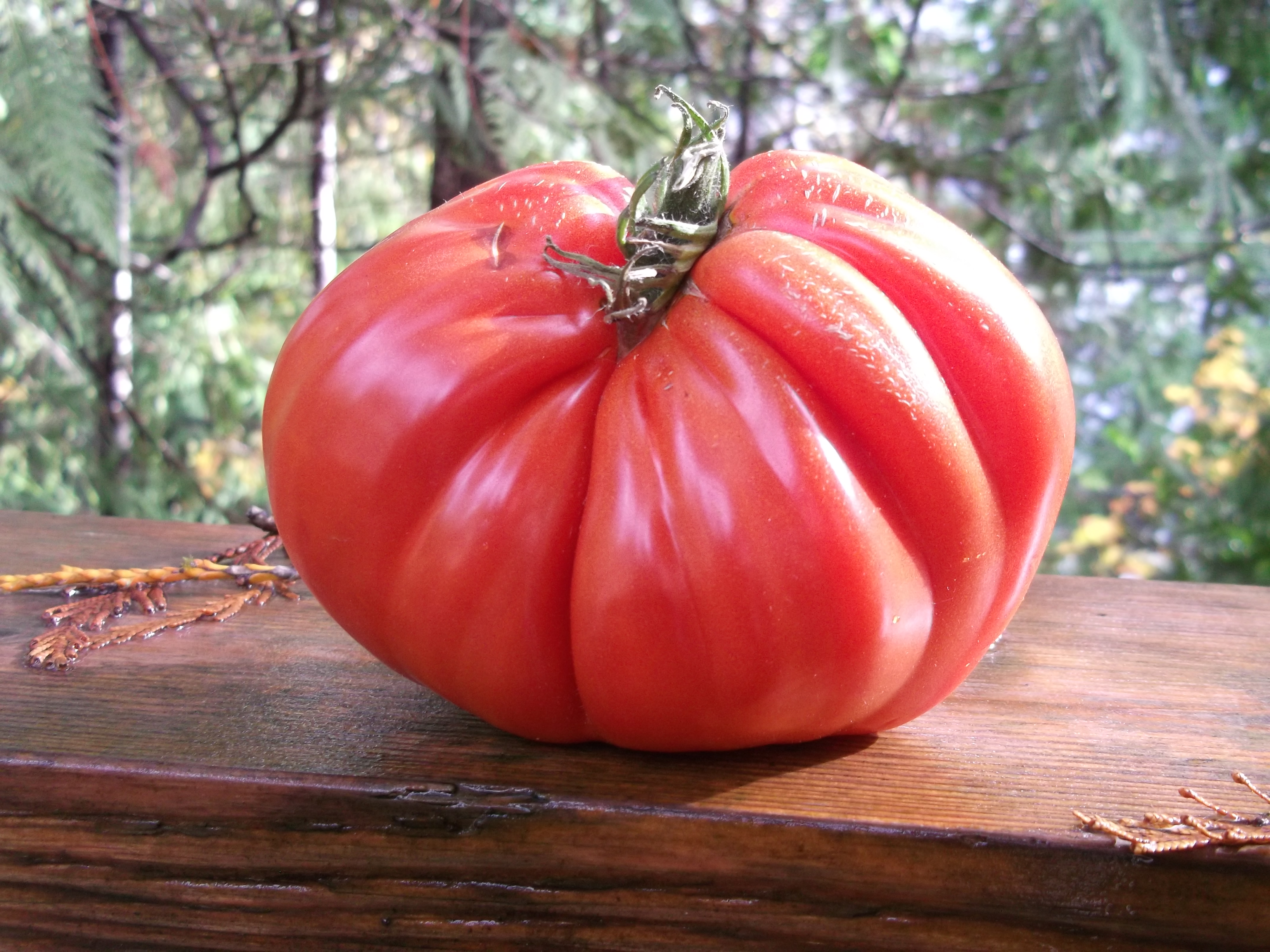
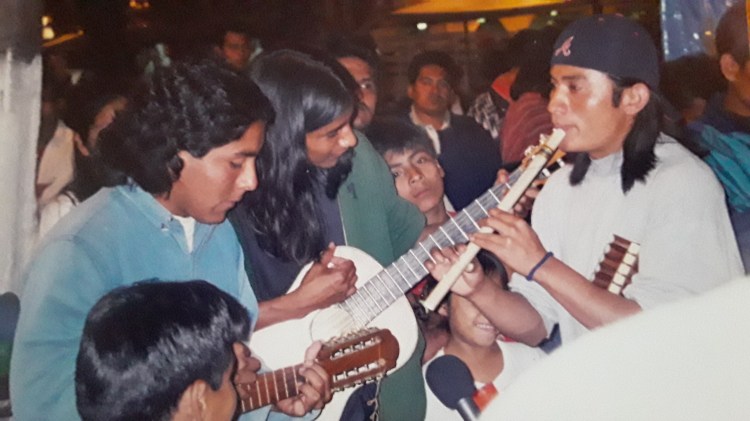
Twenty years ago this month I arrived in Oaxaca on a second class bus from wonderful chaotic Mexico City. It was early December and I had planned on spending a month studying Spanish and exploring the city and the area. On the walk from the bus station to my hostel I encountered a seemingly random and lively parade of dancers and musicians. I quickly learned that every day in Oaxaca is a reason to celebrate.
Oaxaca City is nestled in a valley in the mountains in the middle of the state of Oaxaca on the isthmus of Mexico. It is a lovely and laid back city that feels like a small town . There are no high-rises or sprawling resorts, but there are majestic cathedrals, cobble streets, busy markets, surprising and accessible art, and a wonderfully diverse population.
I rented a room in a rambling colonial era building that had once been a convent. My room probably hadn’t changed much since it was occupied by a nun, but had gained the addition of a hotplate and tiny fridge. The showers, toilets, laundry sinks and clotheslines were in the scruffy back courtyard. My new home was right around the corner from my school and I loved it. Single bed, crucifix and all.
At school I met my instructor Enrique who was a kind young man, passionate about teaching his language and sharing his culture. He remained equanimous while teaching students from all over world, with a range of ages, genders, sexual orientation and fashion choices who often came to class hungover and ill prepared. Enrique was traditional but opened minded and accepting, endlessly patient, and a great teacher.
I spent a few hours a day in class or studying, and then wandered the streets discovering street art, pop up markets, and obscure neighbourhoods. And eating. Eating everything everywhere. I barely skimmed the surface of the extraordinary offerings in this culinary capitol of Mexico. The most humble of market cafes and street stalls served meals with astounding flavours from recipes and methods built on tradition and passed down for generations. I would sit and watch endlessly, ordering small plates of this or that, yearning to learn. Occasionally I would dig through my vocabulary and find words to ask a question of the proud women who presided over the multiple steaming pots and pans. I almost always received a warm, if slightly bewildered smile, and usually some words or sign language to attempt to answer my naive queries. Surprisingly, I learned a few tricks from these matriarchs who kept the fires of their ancestors burning.

In the evenings my fellow students and I would find each other in a cafe on the zocalo, drink some beer and practice our verbs and tenses. Occasionally we would end up in a noisy mezcal bar, where music and dance and laughs surpassed all language and cultural differences. Good times.
Christmas in Oaxaca starts ramping up December 16 which is the first of the nine nights of Las Posadas. Las Posadas is celebrated throughout Mexico and Central America. It is a series of processions portraying the journey of Mary and Joseph searching for an inn (or posada) in which to bring baby Jesus into the world. I had a front row seat on the stoop of my building in the evenings as a parade of children holding candles, appropriately adorned pets and farm animals, decorated vehicles and carts slowly wandered by, always followed by an exuberant band of musicians. They would all end up in the main zocalo where pinatas were hung and smashed and many clay bowls of hot chocolate consumed.
The main zocalo, or plaza, is an ongoing and ever changing party and a platform for performance art, political demonstrations, religious gatherings, live music, markets of all descriptions, side shows, humble cafes and fancy restaurants. It is also the centre of political activism which is very present in Oaxaca, one of the poorest and most militant of the Mexican states. When I was visiting there was a contingent of the families and supporters of political prisoners who had been occupying a corner of the square for four years. So determined, so strong, and so absolutely committed to the their cause.
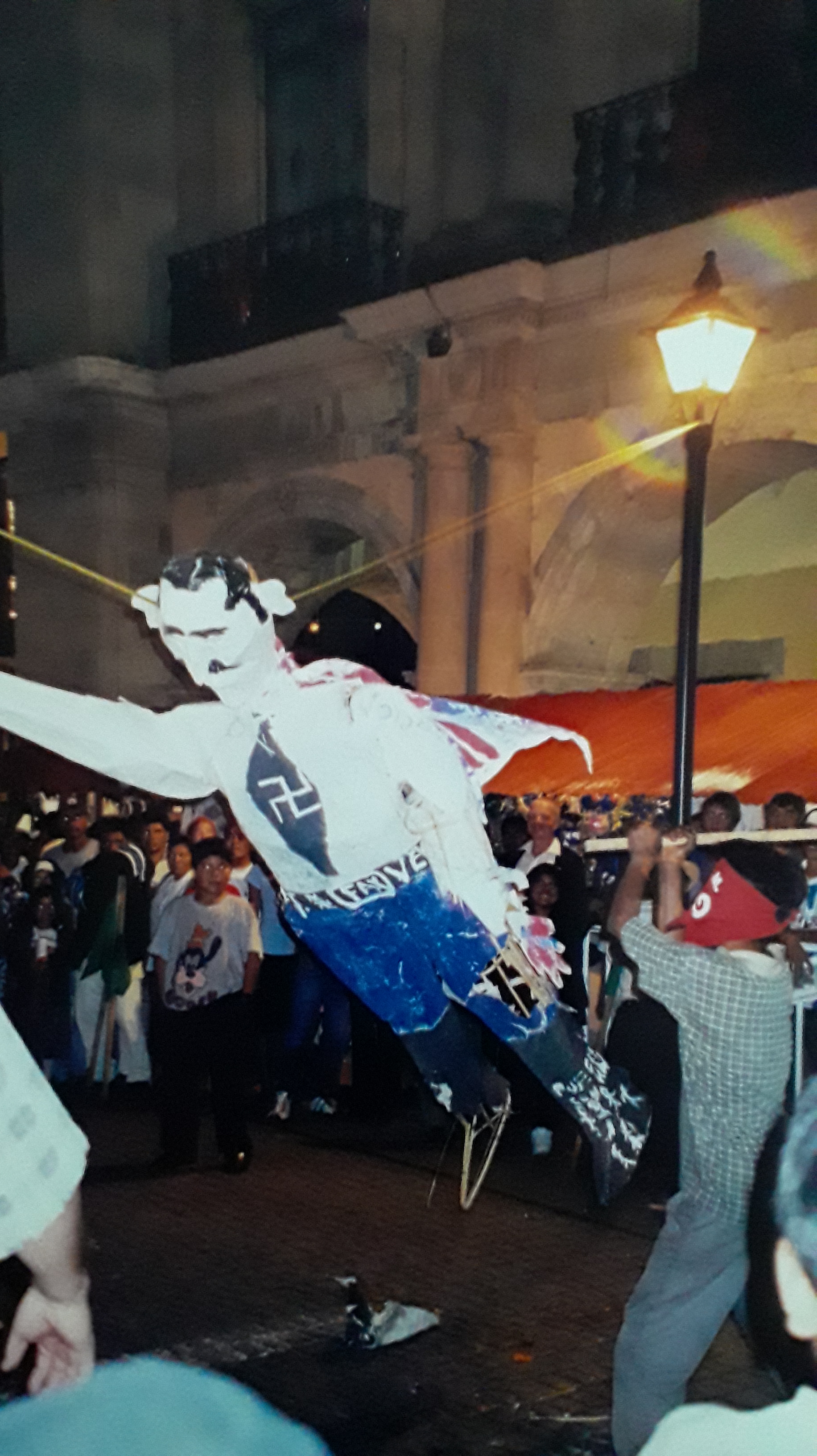
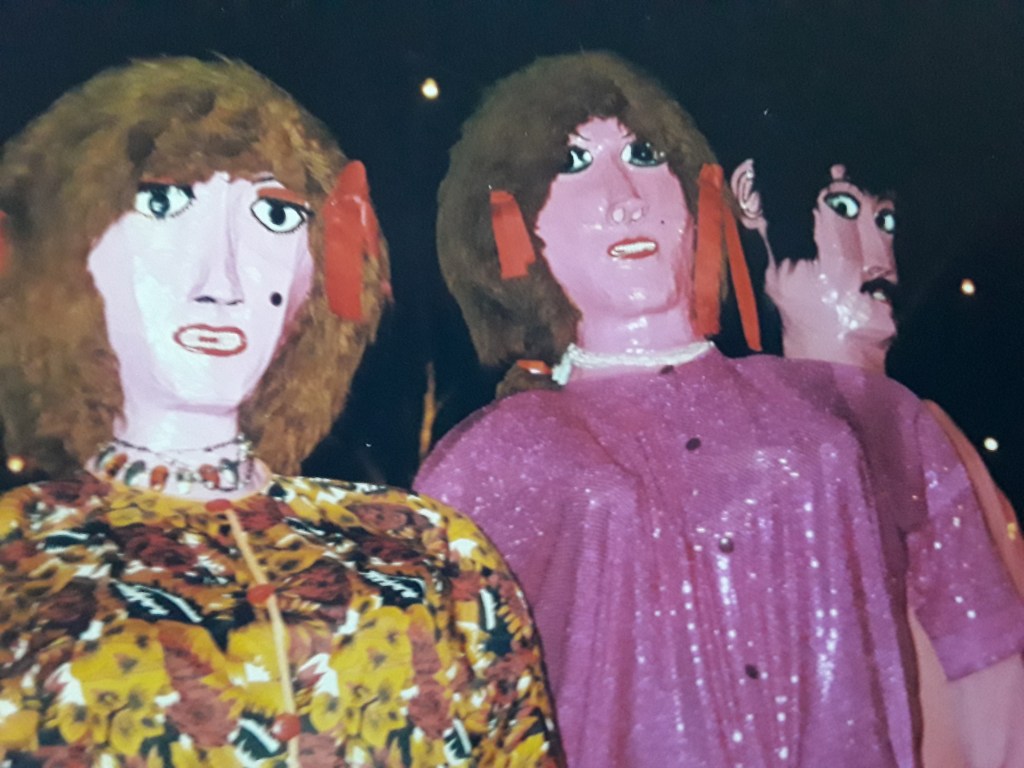
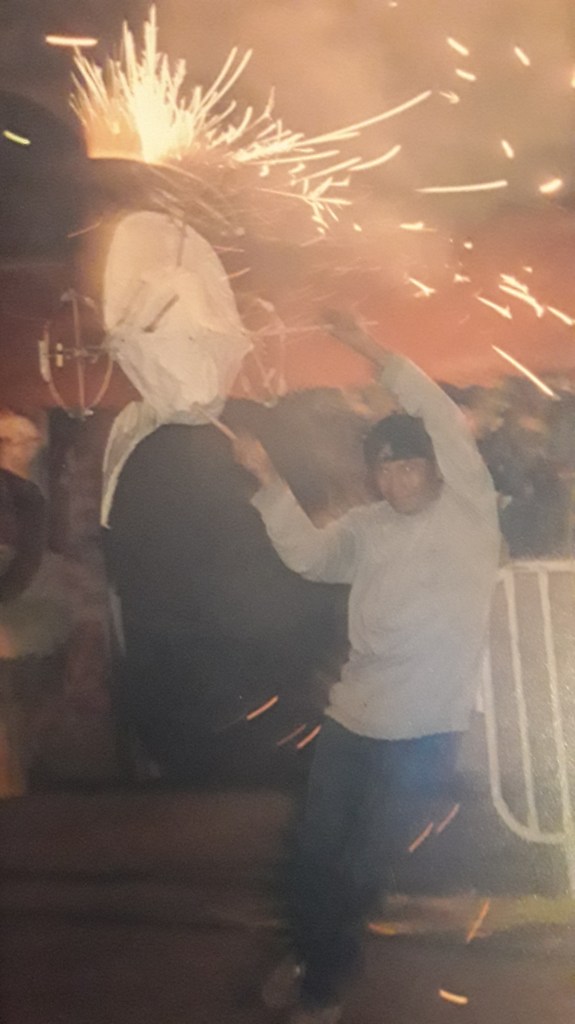
On December 23rd the zocalo is taken over by radishes. Yes, it is A Noche de Robanos, The Night of the Radishes. I decided not to dig into the history of this unique tradition and just enjoy it. Giant radishes are carved into incredibly ornate scenes that are displayed for competition and for all to wonder at. There were a lot of the ever popular nativity scenes but daily life was also represented, as well as pre-columbian gods, and for some reason, quite a few elephants . There were some astonishing works of art that produced some equally astonishing smells that permeated the square. A truly unforgettable event. The 24th is the night of Las Calendas, an impressive procession of floats from all of the parish churches, accompanied by live music and fireworks, as are all events in Mexico.
Every day there was another discovery, another lesson, another revelation. And another reason to celebrate. But the ultimate Christmas experience was yet to come.
The week before Christmas Enrique had asked us all if we had somewhere to go to celebrate the day. A few of us said no, and he invited us to join his family for their fiesta.
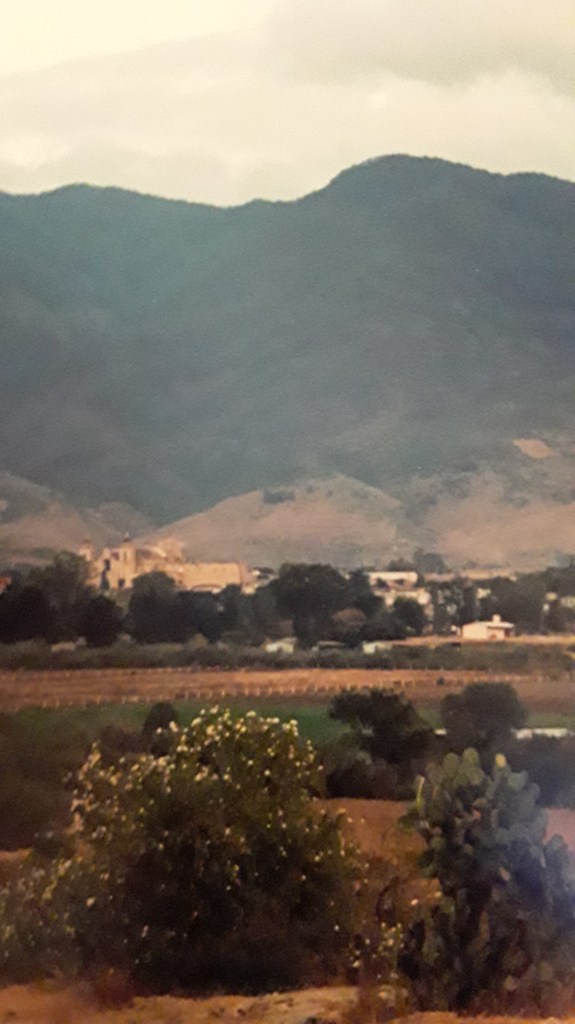
It turned out that this year Enrique’s family had the honour of hosting the whole village, around 1500 people, for the Christmas Day celebration. This huge responsibility was passed around the community by some mysterious lottery involving cake and baby Jesus, or so I understood. On Christmas day I met with my fellow students, an elderly couple from Victoria and a middle aged German punk with purple spiked hair. We joined Enrique, his fiancé and his parents at the taxi stand on the edge of town and made our way to Villa de Etla, a lovely rural village around 15 k outside the city.
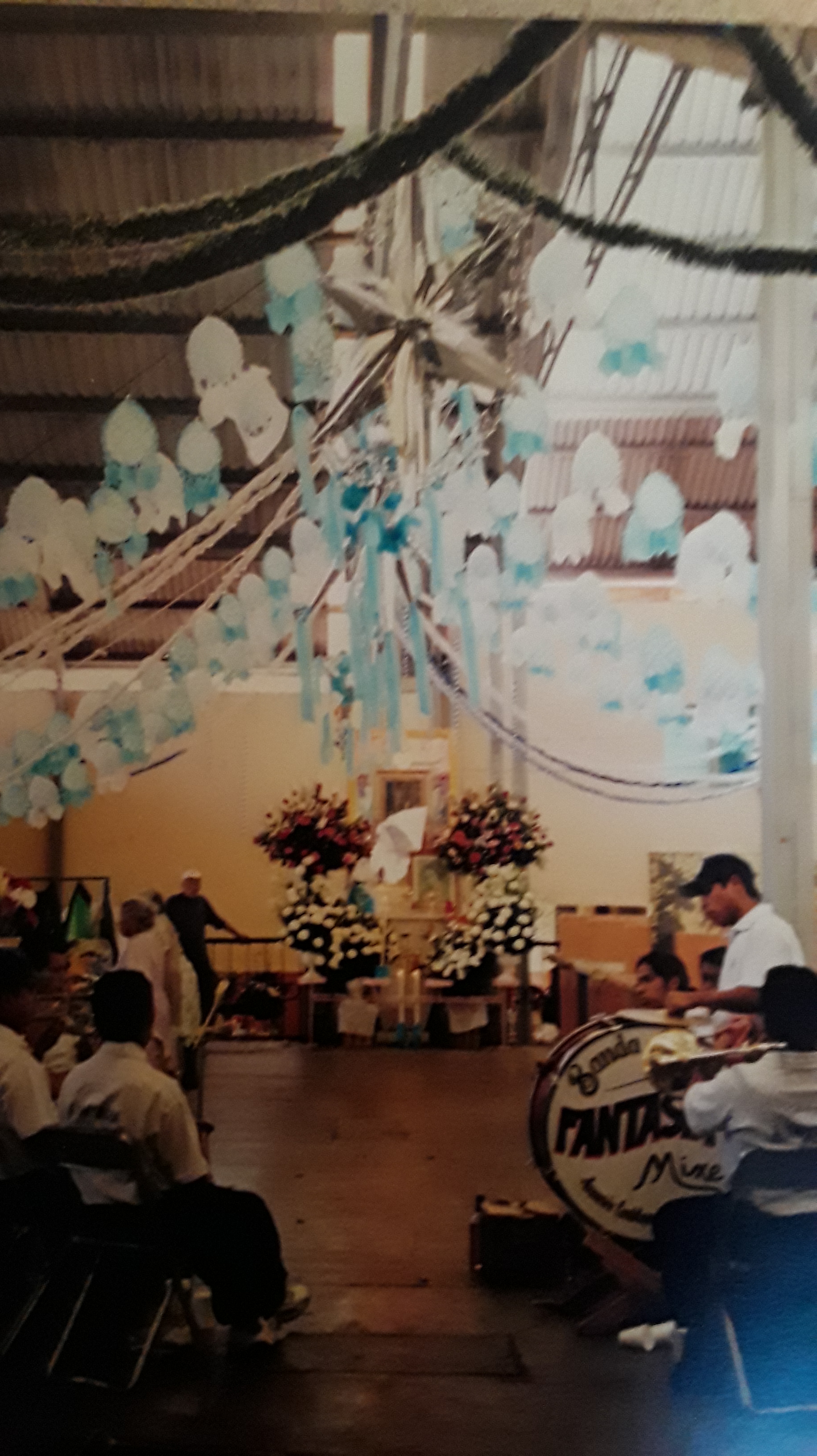
The first event we attended was a midday mass. It was a gay affair. The church had been decorated with streamers and balloons, baby lambs who were part of the live nativity scene were bleating, and the ever-present accordion music kept things going. At the end of the sermon we all held hands with those next to us, turned each way, made eye contact and wished our neighbours the best of the season and the coming year. It was a simple yet profoundly moving gesture.
After mass we went to Enrique’s aunt’s farm where things were coming together after probably weeks of preparation. Seven goats and one bull had been slaughtered to feed the village. They had been roasting for three days in pits bedded by hot coals and layered with avocado leaves. Each pit held a vat at the bottom which collected the drippings for soup. As is traditional in Mexico, the women tended to the tortillas, setting the endless rows of tables, and all the other many other details, and the men gathered at the pits passing a bottle, cigarettes and tall tales. I had heard of this method of roasting meat, called barbacoa, and was obviously fascinated and dying to observe. I did manage to infiltrate the pits for a few minutes before I was spied and herded back to the women and children.
The fiesta was kicked off by a lively nativity play performed by over excited kids and various misbehaving farm animals. So hilarious and so sweet. We then feasted on goat soup followed by goat tacos with handmade tortillas and bowls of steaming black beans. Following the meal, jugs of mezcal appeared and the music started up, one rock band and one traditional ranchero group, often playing at the same time. We danced till the wee hours. My German classmate had been taken over by an elderly man who seemed quite smitten, Enrique’s dad was tipsy, much to his wife’s embarrassment, and this magical Christmas ended with a harrowing taxi ride back to the city.
I will be forever grateful that I had the opportunity to spend Christmas with these generous and warm people. Enrique, his family and his whole village welcomed a motley crew of gringo strangers to their family fiesta with open hearts and smiles. What a beautiful gift.
This year I will be spending the Christmas season on Vancouver Island. My own motley crew of immediate family members will be gathering at my humble abode for a change and I am so looking forward to that. I have spent many winters travelling, mostly in my beloved Mexico, where a part of heart will always be. I do feel the stirrings of itchy feet often, but for now will stay close to home and my family and enjoy and explore this beautiful part of the world. I know my Mexico will be there when I am ready.
Discover more from food by jude
Subscribe to get the latest posts sent to your email.
 food by jude
wonderful
LikeLike
Stunning portrayal of your beautiful Oaxaca City Jude!
Wonder if “new Lucy” is up to the trek?
LikeLike
Loved this, I spent the summer of I think 71 there when my parents rented a house in town. As a petulant teenager was a bit resentful from being separated from my peers,[like you], but in retrospect very glad I got to spend time there. I remember the avocado tree that would drop it’s bombs in the courtyard. Also remember hanging with some Bay area guys who had hung out with Caned Heat and smoking some way too good pot with them.
LikeLike